I need to level with you: The 2026 midterms are not a normal election.
Faith groups like Sojourners have long talked about the importance of elections. I have written about elections extensively in the past. But this year is different.
Specifically, there is a great risk that the Trump administration and its allies will attempt to disrupt or deny the election results; these attempts could very well succeed if we don’t act—or if they create enough chaos and fear to deter people from voting. It’s critical that Christians commit to pushing back on these attempts with faith-inspired activism—not just up to Election Day, but all the way through the seating of a new Congress on Jan. 3.
261007 - Taylor, midterms, election security.png
1. Counter election lies with truth
Christians can serve as truth tellers in our spheres of influence. And to do that, we need to understand the strategy at play.
When Donald Trump’s presidential campaign was defeated in 2020, he fought tooth and nail to stay in power, using almost every tool at his disposal and inciting a deadly insurrection at the U.S. Capitol on Jan. 6, 2021. But he didn’t succeed because most of the government was working to ensure a free and fair election and a peaceful transfer of power, including his own Vice President Mike Pence. But after winning the 2024 election, Trump has filled the government with loyalists who are likely willing to abuse the power of the federal government to overturn the will of voters. Protect Democracy, a nonpartisan group committed to defeating authoritarianism, explains that the administration’s strategy has three core components: “deceive voters about the trustworthiness of election systems, disrupt the smooth operation of those systems, and use the ensuing chaos to deny election outcomes that they don’t like.”
We’ve already seen some of these tactics: The manufactured chaos around mail-in-voting, efforts from the Department of Justice efforts to gain access to sensitive voter roll data, stated plans to give federal officials unprecedented access to local polling sites, investigations into nonprofits they allege may be aiding voter fraud, and DOJ threats to prosecute state election officials are just a few pieces of that larger whole.
This entire strategy hinges on the degree to which the president’s lie of widespread voter fraud has metastasized into our body politic; a recent poll found that 82% of Republicans agreed there were large numbers of fraudulent ballots cast by non-citizens in U.S. elections. A growing number of the nation’s local election officials, including those in positions that have the power to certify the polls, believe in widespread voter fraud or the “Big Lie” that the 2020 election was stolen from Trump.
READ: ‘We'd Rather Be Prepared’: Faith Leaders Organize Ahead of Tense Midterms
If you’re feeling fatigue or powerlessness in the face of these threats, that’s the strategy already at work. Instead, Christians who want a healthy, just, and functioning democracy have a faith-rooted duty to tell the truth. “Keep your tongue from evil and your lips from speaking deceit,” Psalm 34:13-14 teaches us, “Depart from evil, and do good; seek peace, and pursue it.” When the administration tries to deceive the public with misinformation about noncitizens voting in large numbers, we can counter with the documented reality that voter fraud is extremely rare. This might look like pastors of “purple” congregations summoning the courage to speak out from their pulpits or a group of Christians attending a town council meeting to challenge falsehoods being spread by local officials.
261007 - Taylor, midterms, Fulton County.png
2. Help keep the election safe and fair
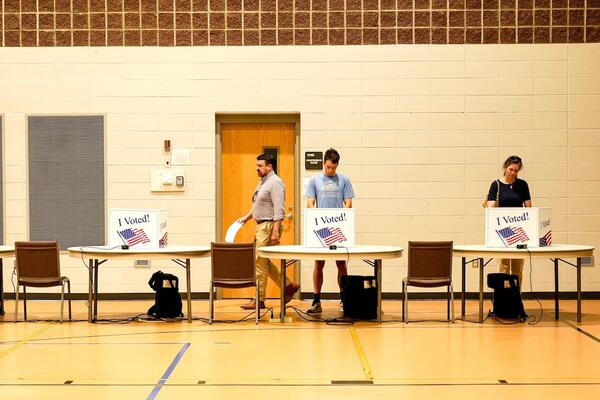
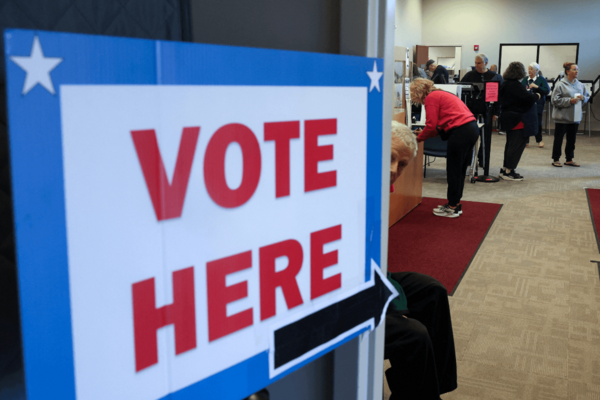
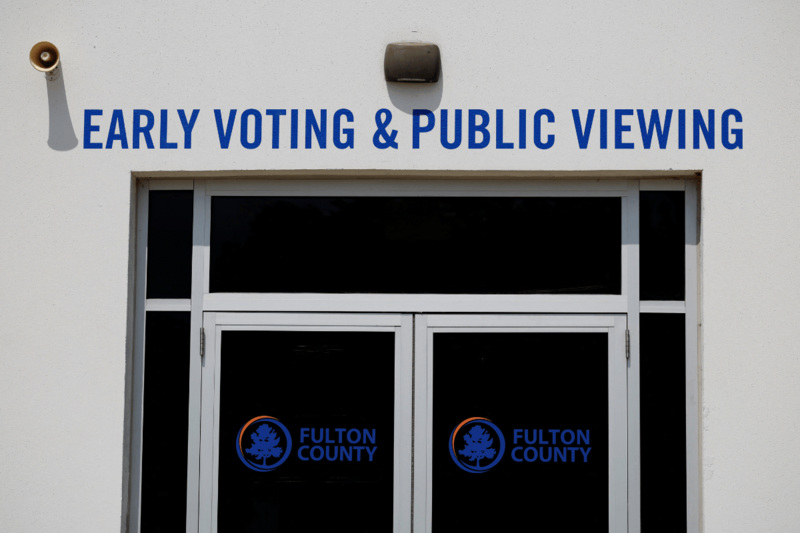
Throughout the days of early voting (which have already begun in many states) and on Election Day itself, we want all eligible voters to be able to vote freely, fairly, and safely—despite any attempts by the administration to “disrupt” these activities. Fortunately, attempts by the administration to weaponize the Postal Service and undermine vote by mail were rebuffed, as were attempts by the administration to federalize our elections; our Constitution clearly gives that power to states and localities. However, other threats of disruption could include the presence of Immigration and Customs Enforcement at or near polling sites, or efforts to confiscate voting machines.
One way you can help is by volunteering to serve as a poll chaplain and peacekeeper. Through Faiths United to Save Democracy, SojoAction is sending more than a thousand faith leader volunteers to polling places in nine states that are at risk of voter suppression through intimidation, interference, and violence. These chaplains will provide a moral presence at polling places, help de-escalate conflict, and ensure voters aren’t prevented from casting their ballots. Our final virtual training is taking place on October 15 at 7 pm EST. It only takes 90 minutes of your time to get trained and certified, and then at least three hours of your time on Election Day to protect voters and safeguard our election. In states with early voting, you can encourage your neighbors, coworkers, fellow congregants, and more to vote early. Overwhelming and early voter turnout is an essential and effective way to counteract election subversion tactics.
261007 - Taylor, midterms, ballot open.png
3. Ensure the votes are counted and certified
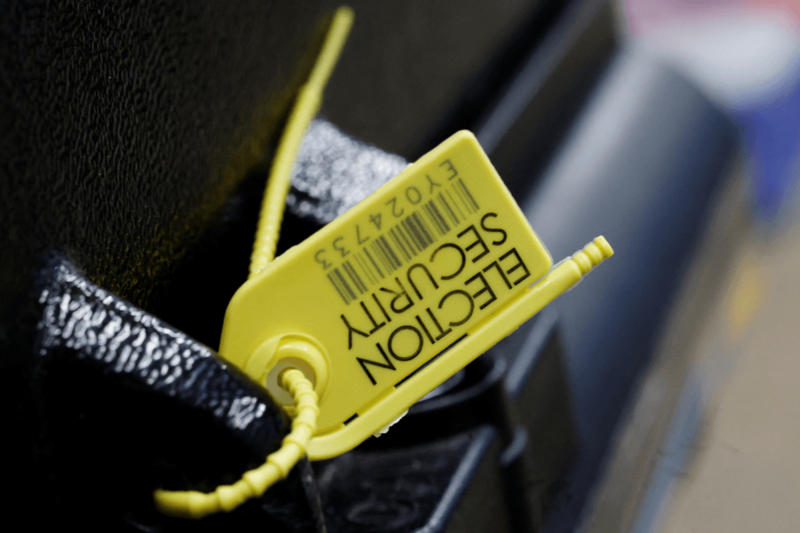
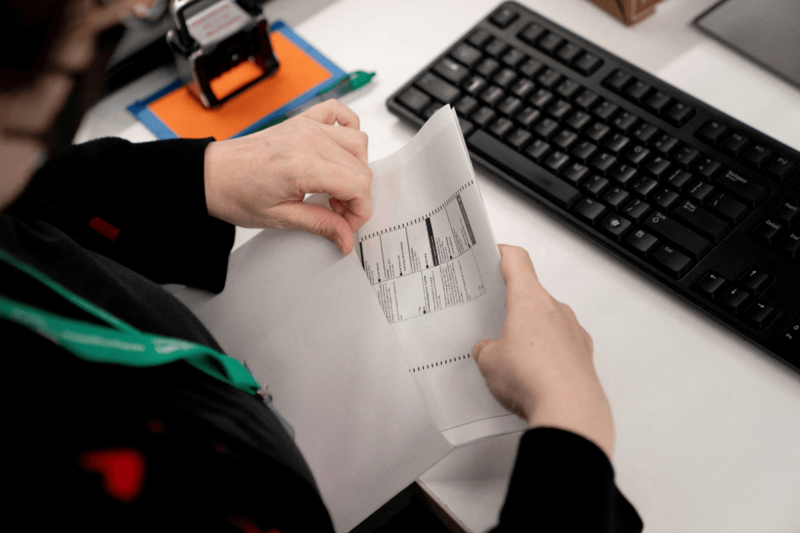
After Election Day, the work isn’t over: We must ensure election officials count every ballot and certify the results—particularly if there’s interference or a crisis triggered by an abuse of presidential power.
Threats of “executive override” have actually become my biggest concern—and the threat that most worries the pro-democracy experts I’ve talked with. These threats could include the administration pressuring officials to refuse to certify the election, even though their certification is required by law. They could also include the president declaring a national emergency in response to alleged voter fraud or protests in response to the illegal presence of ICE at polling station. It could even include the president invoking the Insurrection Act. Should the administration attempt subversion tactics along these lines, faith communities will be one essential part of a broader coalition of civil society groups that includes labor, veterans, lawyers, the business community, and more—all of whom will be key to generating the necessary public pressure and nonviolent resistance.
SojoAction, in collaboration with Protect Democracy, has created a faith-based guide that serves as a toolkit for people of faith concerned about the post-election period. The guide outlines how people of faith can help safeguard the work of counting the ballots and ensure a peaceful transfer of power to whoever wins—regardless of political party. These efforts might include supporting ballot curing (a process that allows voters to fix issues on their ballot envelope), being ready to participate in non-cooperation if election officials refuse to certify the election, and using faith-based calls across all religions to seek peace to “ensure a peaceful, lawful, orderly transfer of power at all levels of government.”
READ: Preparing Our Spirits for Midterm Elections
Protecting our democracy is critical work—and part of our faith as Christians—but the act of doing it is seldom exciting on its own terms. If the election goes smoothly, it will be very boring, thanks to thousands of poll workers and local officials who form the civic glue that holds our elections together. The hard work of saving democracy is more like running a marathon and less like becoming Captain America—it involves small, often repetitive tasks that can be as simple as encouraging and supporting five people in your social network to vote or volunteering to serve as a poll chaplain and peacekeeper.
This midterm season, the administration is counting on our fear, chaos, and confusion. Our faith-inspired activism provides the antidote: Our faith calls on us to uphold the dignity and well-being of all, which this fall looks like protecting voters and our democracy. Democracy isn’t perfect, but we defend it so we can keep transforming it, ensuring everyone can thrive, and that liberty and justice for all becomes real for all. That’s what will enable us to achieve a radically more just nation that looks more like the Beloved Community. But to get there, we have to defend the democracy we have in the face of the relentless efforts to undermine and even sabotage it. It’s holy work that enables us to demonstrate our love for our neighbors and advance the common good.

Rev. Adam Russell Taylor is president of Sojourners and author of A More Perfect Union: A New Vision for Building the Beloved Community. Follow him on Bluesky @revadamtaylor.
Did this article have an impact on you? Tell us how! Whether you’re moved to take action, have a question, or want to share a comment (good or bad), we value your feedback!