
While they told Moses that, “All the words that the Lord has spoken we will do” (Exodus 24:3), in the end they turned to idols and broke God’s laws. By the time we get to First Samuel, we hear the people clamoring for an earthly king so they could be like other nations (1 Samuel 8:4-22). They thought life would be better if they shook up their system of government, so they ditched the judges and looked for an outsider. In the end, they got exactly what they asked for – a king named Saul who was wicked and moody and paranoid.
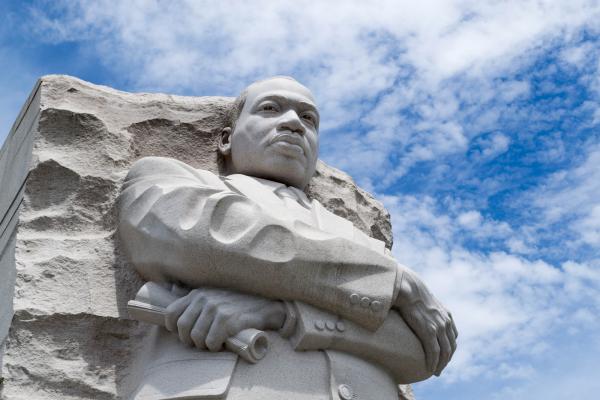
On the Friday morning before Martin Luther King Day this year I met nine twentysomething Sojourners interns at the Martin Luther King Jr. Memorial on the National Mall. We collected into a circle, and I told them: “This is sacred ground.” I explained that we would enter the grounds in silence. I instructed the mostly white group to spend 15 minutes examining the memorial — observe — see what they see. Then we would come back together and share what we saw.
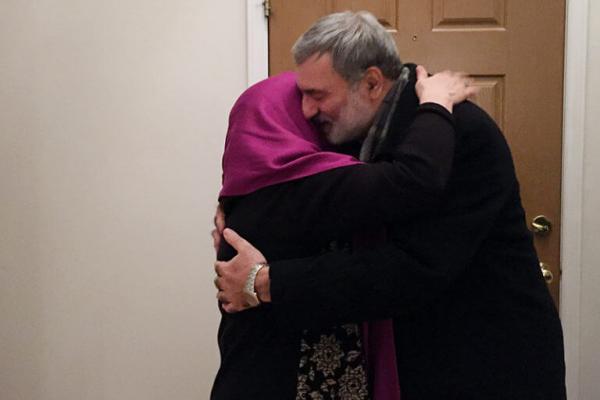
Iranian dissident Mohsen Kadivar and his wife, Zahra “Nikoo” Roodi, have seen it all before.
On. Feb. 16, the couple embraced after Kadivar’s hasty return from Berlin, where last month he had begun what he expected would be a semester-long fellowship.
Instead his plans were cut short by President Trump’s travel ban.
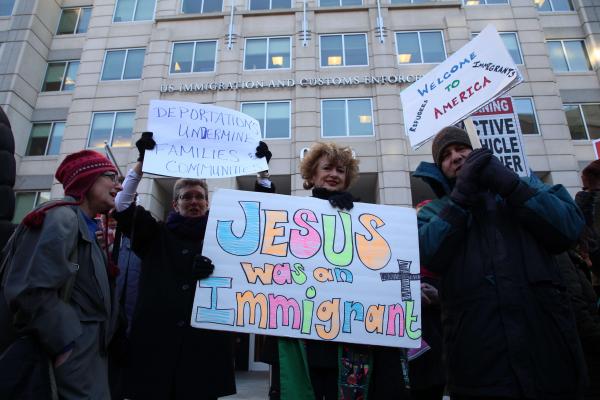
“The practices of Immigration and Customs Enforcement right now are not in line with who we say we are as a government and a country,” Kumpf said. “What they did was legally on the line of violating the Sensitive Locations Memo. That’s extraordinarily morally reprehensible.”
Drafted in 2011, the Sensitive Locations Memo places restrictions on ICE enforcement in sensitive locations such as schools, places of worship, and hospitals. Many at the gathering felt that the sensitive lines of sanctuary were crossed on the morning of the Feb 8.
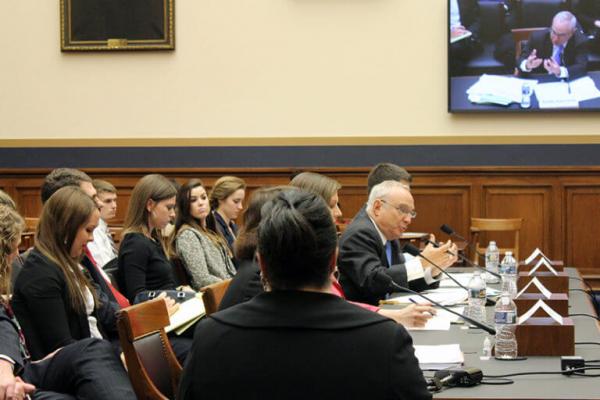
The former U.S. religious freedom ambassador told a congressional subcommittee that leaked language of a proposed presidential executive order on religious liberty could cause “constitutional problems.”
“I think it raises very serious equal protection issues,” said Rabbi David Saperstein, who recently ended his tenure at the U.S. State Department.
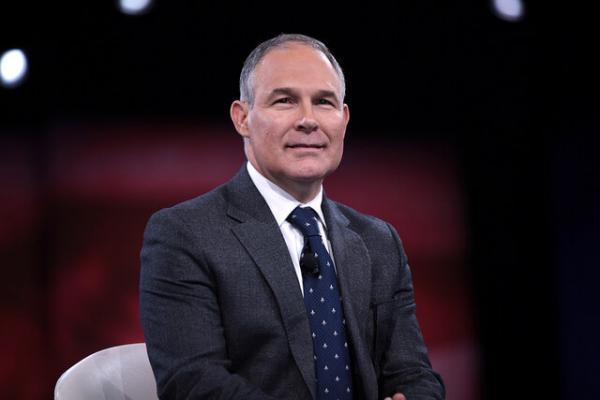
On Feb. 17, by a 52-46 vote, the U.S. Senate confirmed Scott Pruitt as the administrator of the Environmental Protection Agency. Pruitt’s nomination by President Donald Trump to head the agency was decried by many as soon as it was announced, due to Pruitt’s history of opposition to the standards of the agency he now leads; Pruitt even sued the EPA 14 times.
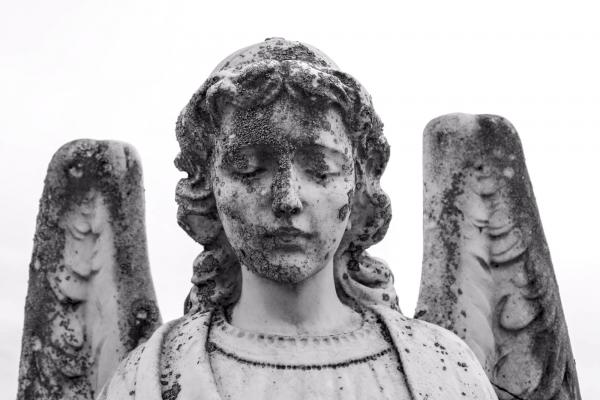
Since the election of President Donald Trump, many Christians are asking: How could so many Christ-followers agree with actions that are so decisively un-Christlike? Many Christians are struggling to understand how two things that are diametrically opposed to one another — Trump’s policies versus following the gospel of Christ — can be possibly reconciled.
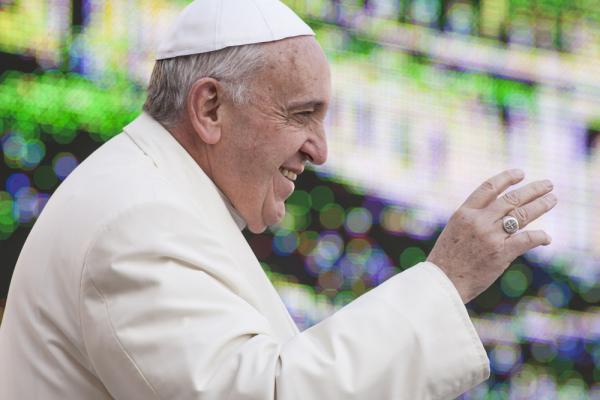
One year ago, Pope Francis visited the Mexican-U.S. border and prayed for migrants who have lost their lives seeking refuge in our country. His prayer transcended the dusty fences and united two countries in a silent cry for mercy on behalf of our brothers and sisters who died on their journey.
1. The Lasting Trauma of Japanese American Incarceration
Sunday marks 75 years since the signing of Executive Order 9066, which led to the mass incarceration of tens of thousands of Japanese Americans. A look back, and lessons for today.
2. The Ancient City ISIS Is Destroying, Preserved Online
A new digital exhibition, “The Legacy of Ancient Palmyra,” features prints and photographs from the pre-Islamic metropolis.
3. Trump Says He Wants to Prioritize Christian Refugees. Middle Eastern Christians in the U.S. Respond.
The reaction to Trump’s statements among Assyrians living in the U.S. is far from uniform.
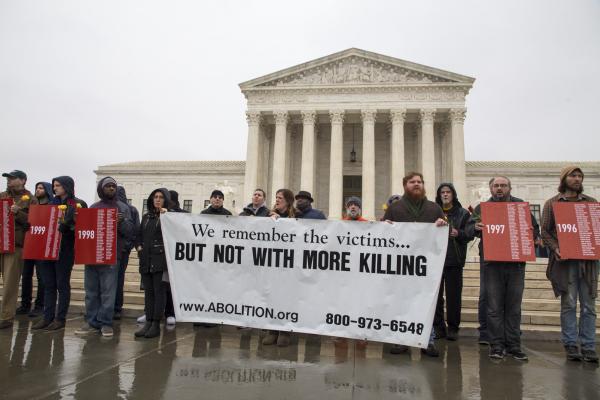
We resisted — and we still face the possibility of jail time, fines, and community service. Here are a few of the lessons I’ve learned planning events like this one over the years. I hope you can use them as you continue to resist unjust policies.