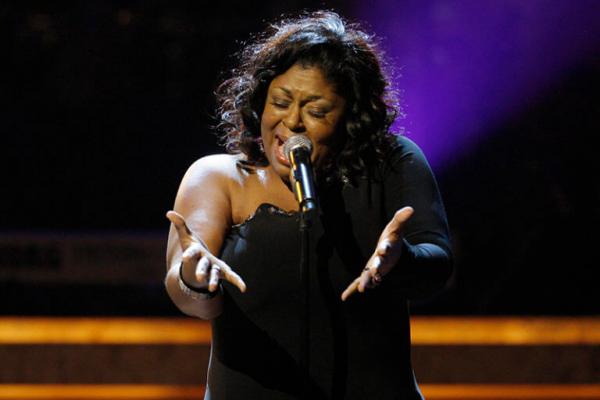
The backlash to gospel singer Kim Burrell’s homophobic rant was swift: canceled national television appearances and the termination of her local public radio show.
But to those of us in religious communities, it’s important to note that, even as the controversy over Burrell’s statement recedes from the national spotlight, the issue of what goes on in the vast majority of American churches remains a festering wound.
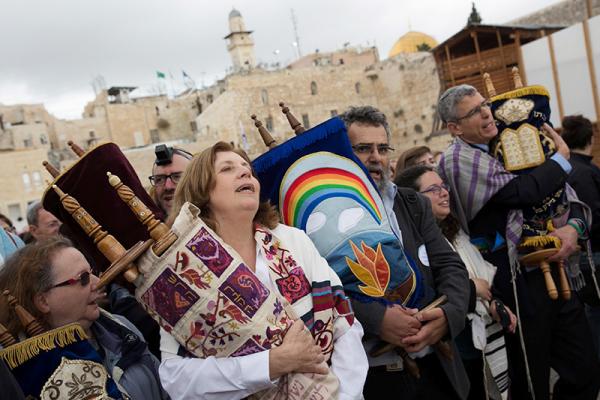
If the High Court ultimately rules that women can read Torah in the women’s section of the Western Wall, ultra-Orthodox lawmakers in the Israeli Parliament may try to pass legislation to criminalize the practice, not only at the traditional wall but also at Robinson’s Arch.
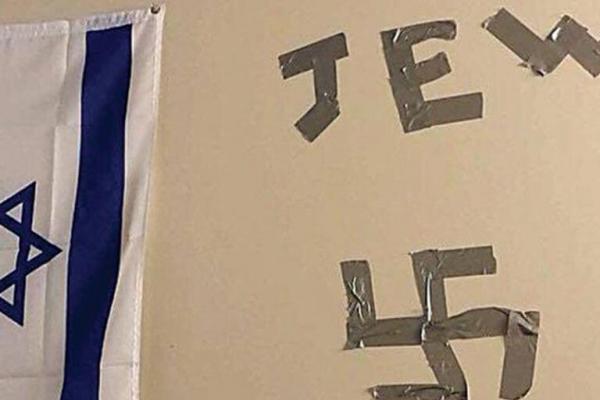
At least 16 Jewish community centers received bomb threats on Jan. 9, in an apparent attempt to rattle American Jews, who have seen a spike in anti-Semitism incidents in the past year.
The threats — some by live callers, some by robocall — were made to JCCs in Florida, Maryland, New Jersey, Tennessee, South Carolina, and at least four other states.
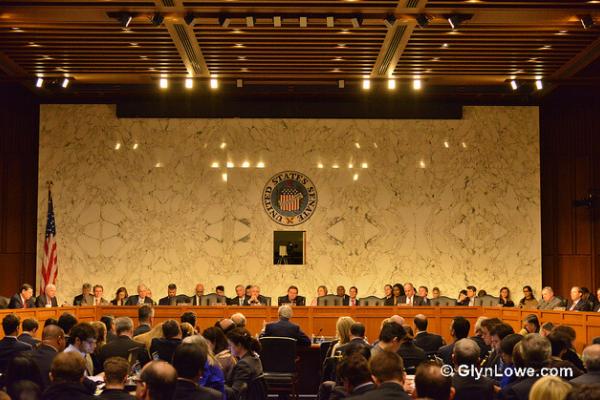
On Jan. 11 the Senate confirmation hearing for former Exxon Mobil CEO Rex Tillerson, for the office of Secretary of State, began, reports NPR. In his hearing Tillerson admitted to the Senate Foreign Relations Committee that he has yet to discuss with President-Elect Trump U.S. foreign policy as it regards to Russia.
He also made a statement that seemed in partial opposition to the use of sanctions against Russia and other countries, stating that they “are going to harm American businesses.” However, he relented to the idea that sanctions have the ability to be a “powerful and important tool.”
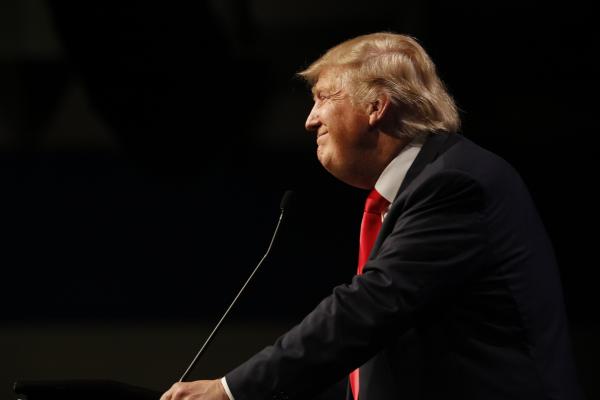
He referred to himself as “the greatest job producer that God ever created.”
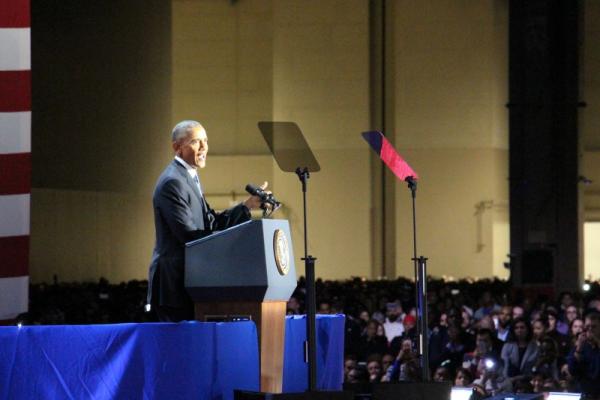
The outgoing president encouraged Americans to listen better and try harder, to realize that “science and reason matter,” to assume the best of others. That’s important in a time, he said, when it’s “become safer to retreat into our own bubbles, whether in our neighborhoods or college campuses or places of worship or our social media feeds, surrounded by people who look like us and share the same political outlook and never challenge our assumptions.”
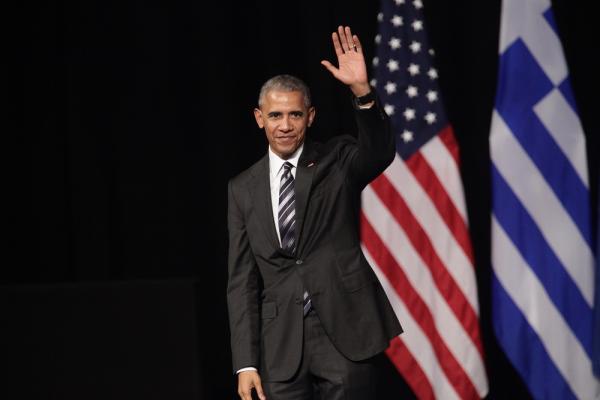
I am asking you to hold fast to that faith written into our founding documents; that idea whispered by slaves and abolitionists; that spirit sung by immigrants and homesteaders and those who marched for justice; that creed reaffirmed by those who planted flags from foreign battlefields to the surface of the moon; a creed at the core of every American whose story is not yet written:
Yes We Can.
Yes We Did.
Yes We Can.
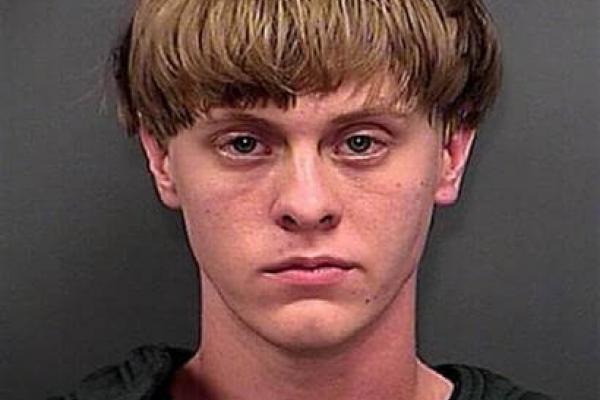
On Jan. 10 a federal jury sentenced Dylann Roof to death for the fatal shooting of nine African American parishioners, reports CNN. The shooting took place in the basement of the parishioners' church — the historic Emanuel AME Church in Charleston, S.C. — in June 2015.
Roof’s sentencing comes after family and friends of the nine churchgoers publicly expressed their forgiveness of his actions, and others called for Roof to not receive the death penalty.
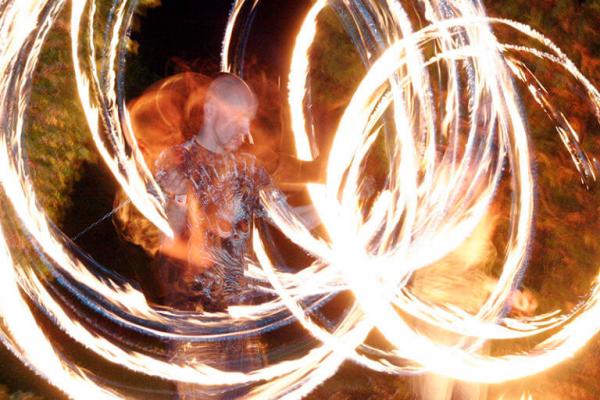
Religion is increasingly viewed as highly politicized, not least due to the way that it is frequently covered in the news. Numerous studies have shown that news stories with emotional cues tend to both gain audience attention and prolong audience engagement.
It may therefore come as no surprise that online debates about religion are packed with emotional cues that evoke strong reactions from those who participate in them. This sets the stage for passionate online debates.
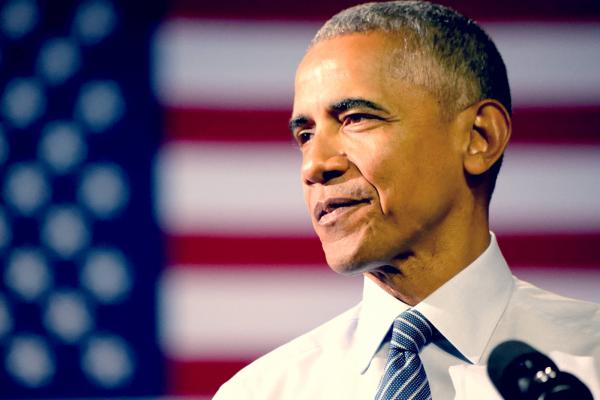
The election of Barack Obama to the presidency of the United States was a fundamental blow to white supremacy — a black man in the highest office of the land and most powerful position in the world. That was and will always be a great legacy of the Obama presidency — a historic moment in the longstanding and ongoing movement to undo white supremacy and privilege that challenged and threatened all the ways the original sin still lingers.