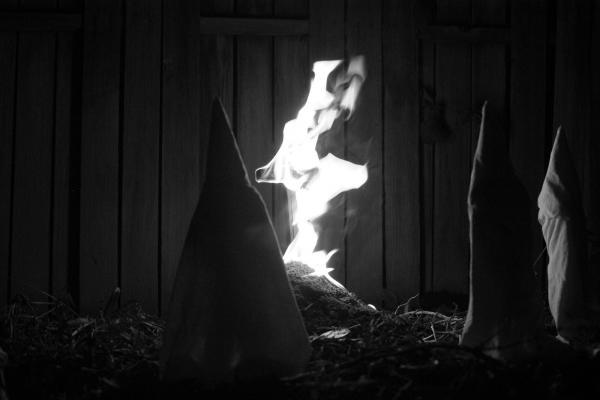
Like many people in the nation, I was deeply disturbed when I stayed up late watching the election results on Nov. 8. This country elected Donald Trump to succeed the nation’s first African-American president — a deed that was in no way coincidental. President Obama’s election was an historic moment: the United States sent a black family to live in the house that slaves built as a residence for the highest political office in the land of their captivity. And with the election of Obama to that high office, the White House became home to free ancestors of the slaves who built it. Obama’s election felt like an earthquake of sorts. When the dust settled, it seemed that some old, terrible things had been demolished, and other things were moved around. From all appearances society had been recalibrated.
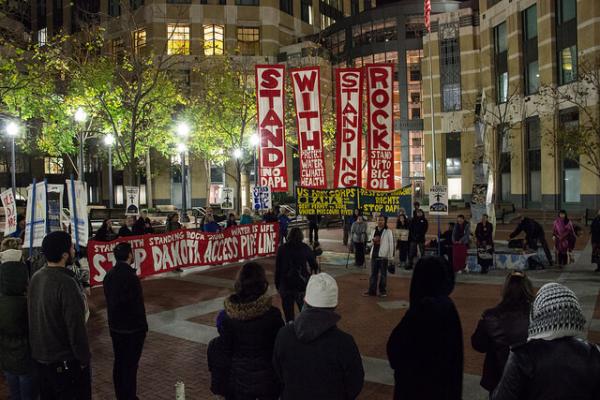
On Nov. 29 the Morton County Sheriff’s Department announced that it will not allow any more supplies, or potential demonstrators, to reach the campsite where the Dakota Access Pipeline protesters are gathered, reports Reuters. Maxine Herr, a spokesperson for the sheriff’s department, said that retailers have been delivering goods to the protesters, and that from now onward law enforcement “will turn around any of those services.”
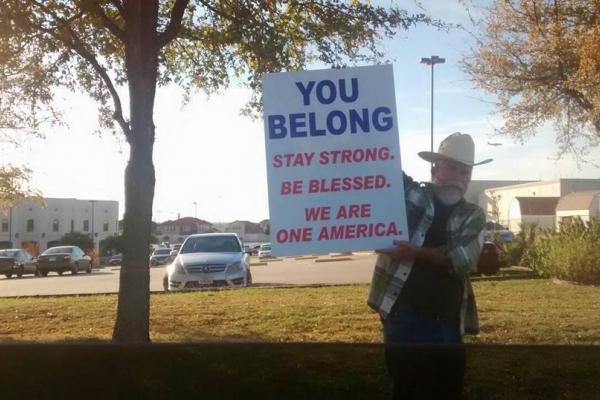
Normand stood outside the mosque for several hours, his message of support and solidarity offering a striking counter to the more than 800 incidents of harrassment and hate crimes that have reportedly occured since Election Day.

Telling stories that encompass the scope of experience help us understand those whose experiences are different from our own. Amidst current racist, sexist political rhetoric and threats of more to come, we’re going to need more stories that bridge that gap.
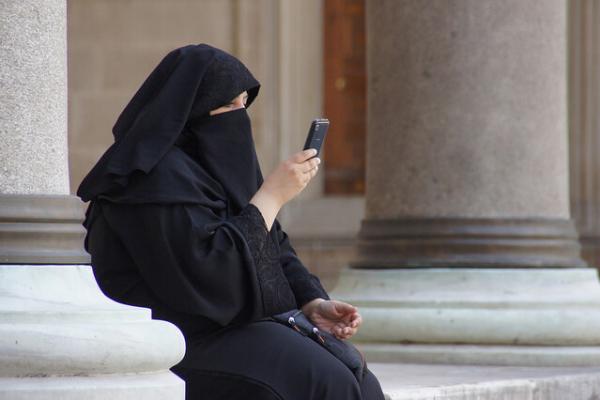
On Nov. 29 the Dutch Parliament’s House of Representatives voted for a ban on burqas and niqabs, making it illegal for face-covering clothes to be worn in some Dutch public places by Muslim women, reports Reuters. The House's vote, if supported by a vote of the Dutch Parliament's Senate, would make the Netherlands the latest country to institute some sort of ban on burqas.
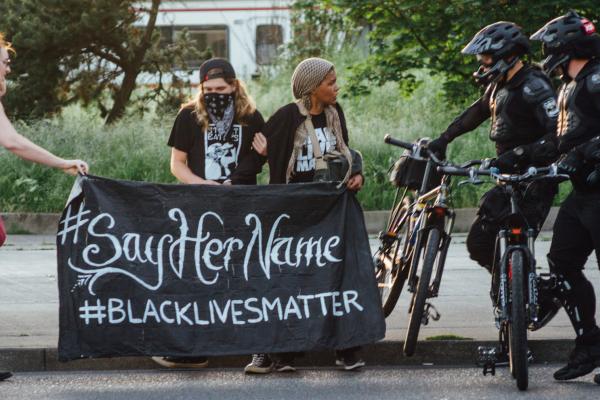
The intersection between present and future is a tense and frustrating space to live in. Yet, that space makes a demand on us. Faithful moral identity that is not wedded to moral social action misses the Gospel’s kingdom vision.
In the last week, reports of police using concussion grenades, water cannons, and tear gas on members of the Standing Rock Sioux and gathered Water Protectors resulted in dozens of activists being hospitalized. What comes next remains to be seen. Over the weekend, the Army Corps of Engineers ordered an eviction of Oceti Sakowin Camp by Dec. 5. On Nov. 27, the agency updated its eviction notice to say it "has no plans for forcible removal. But those who choose to stay do so at their own risk ... [and] will be considered unauthorized and may be subject to citation under federal, state, or local laws."
Nearly 1,500 veterans, EMTS, and firefighters have pledged to arrive to camp on Dec. 4 to stand in support of the Water Protectors, and there are signs that the militarized response to the protests is wearing on North Dakota’s resources.
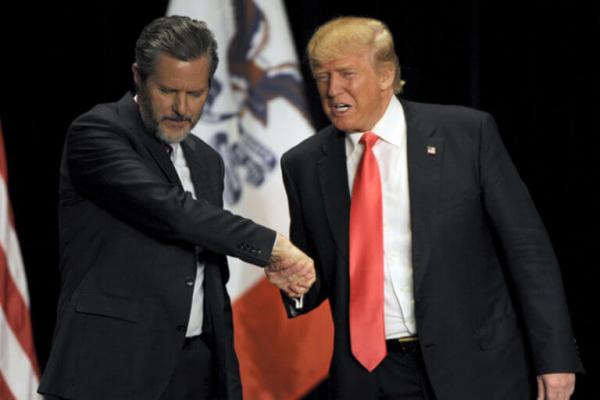
Liberty University President Jerry Falwell Jr. believes that Donald Trump “will become America’s greatest president since Abraham Lincoln.”
But that wasn’t enough to persuade him to accept Trump’s offer to become secretary of education, he said.
Falwell told Religion News Service the decision was due to concerns for the health of his family and the university he leads.
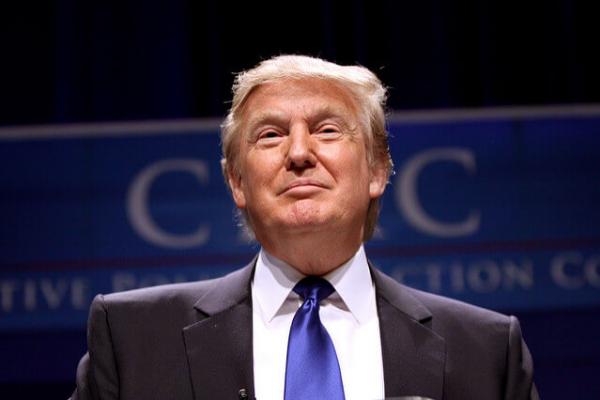
On Nov. 26, Art Sisneros, a Texas presidential elector and Republican, announced in a blog post his resignation from the Electoral College and the reason behind his decision. “I do not see how Donald Trump is biblically qualified to serve in the office of the Presidency,” Sisneros wrote.
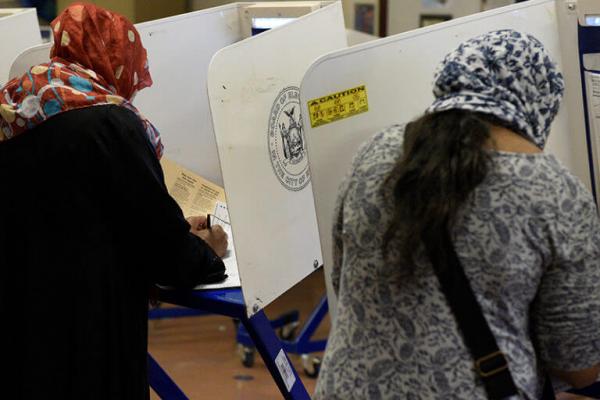
“The picture is mixed,” said Besheer Mohamed, a senior researcher at the Pew Research Center who specializes in religion.
“On the one hand, its seems clear that Muslims are a pretty small part of the population. On the other hand, they are concentrated in some states and metro areas that might increase their voting powers in those specific areas.”